Understanding how money works and how it can work for you is a gamechanger in today’s landscape. The dream of leaving a nine-to-five grind and being your own boss isn’t just a fantasy anymore. With financial literacy, you unlock doors to opportunities that you didn’t know existed.
Shifting from a regular job to becoming an entrepreneur might feel like jumping into the deep end. Yet, the key difference lies in knowledge—knowing when and where to invest your time, effort, and resources. A well-informed decision can craft the life you envision. Books act as a mentor here, sharing insights from those who’ve made it big.
Now, reading isn’t just for a lazy Sunday afternoon. Think of it as a workout session for your brain. Every book you flip through equips you with tools to reshape how you think about money, wealth, and happiness. It’s about challenging traditional salary chains and redefining your personal goals.
In this journey, books aren’t just source material; they’re guides. They teach you to transition from traditional jobs, making money work for you instead of the other way around. Imagine flipping a switch, changing how you perceive employment and entrepreneurship. Each page read is a step closer to financial freedom.
The Transformational Power of Reading
Books aren’t mere pages and words—they’re game changers. Every successful entrepreneur and investor out there will tell you about some book that hit them like a bolt of genius. A single idea can shift your entire perspective, opening up avenues you never thought about before.
Adopting a growth mindset isn’t just hip talk—it’s about real results. When you start believing that you can improve, learn, and apply insights, amazing things happen. The shift from thinking ‘I can’t afford it’ to ‘How can I afford it?’ starts in the brain and makes its way into your bank account.
For years, we’ve been conditioned to chase the paycheck, live for the weekend. But guess what? There’s more to life than working for someone else’s dream. Books show you the wealth-builder mindset, which means seeing beyond that next paycheck to building a future where money works for you.
Words from scribbled thoughts of renowned entrepreneurs shake up traditional thinking. Conversations about cash flow, assets, and passive income aren’t limited to boardrooms anymore; they’re in the public domain, in books accessible to anyone and everyone.
Let books be your guide to break free from the paycheck mentality. Every chapter you close isn’t an end, just a step closer to claiming your financial edge. Dive into stories and strategies that set the mind abuzz with possibility. Transformational reading is as close as your next good book.
Essential Financial Literacy Books for Aspiring Entrepreneurs & Investors
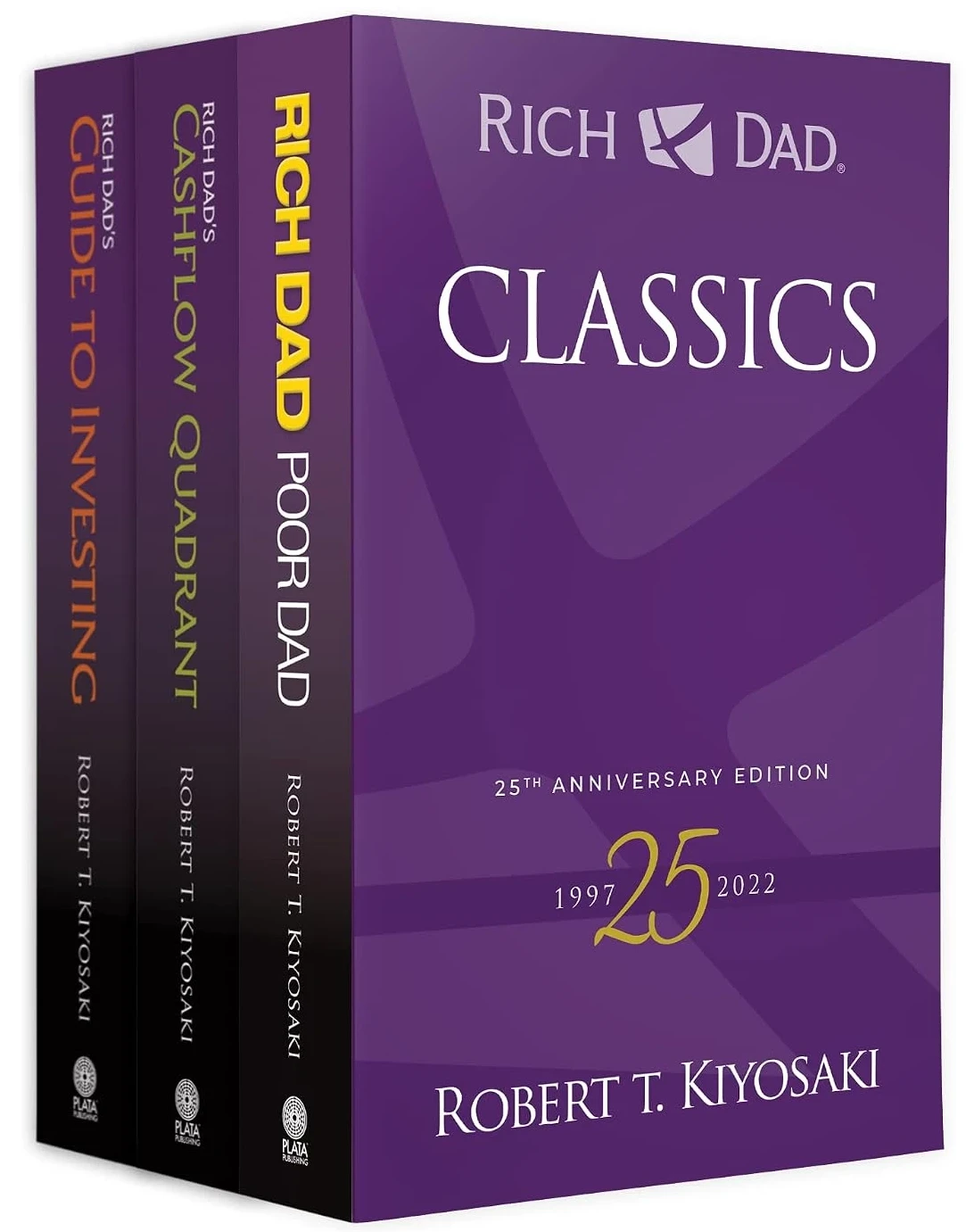
There’s no shortage of books out there claiming fame and fortune, but which ones truly make the cut? If you’re dreaming of stepping away from the hustle and crafting your empire, diving into the right reads is crucial. Among the greats is ‘Rich Dad Poor Dad’—a staple for those serious about transforming the way they think about money.
Robert Kiyosaki’s ‘Rich Dad Poor Dad‘ shifts the financial narrative, making it relatable. The book explains how one’s thought process regarding assets can change the game. It’s not just about earning more; it’s an education in making the most of what you have, fostering rich thinking over making do.
But the learning doesn’t stop there. Titles like ‘The Intelligent Investor’ by Benjamin Graham illuminate the world of investing with practical insights. Then there’s Napoleon Hill’s timeless ‘Think and Grow Rich,’ which doesn’t just inspire; it gives practical steps for setting your financial vision in motion.
These books aren’t just for the bookshelf—they’re the toolkit to build business acumen from scratch. If you see yourself leaving behind the nine to five strife and stepping into financial freedom, you’ve got to tap into the wisdom these authors offer.
Variety is key—whether you crave insights into entrepreneurial spirit or need a reality check on your personal finance habits, a diverse reading list is the path to comprehensive financial literacy. Start with these standout reads to cultivate a mindset that can truly take on the world.
Key Lessons from ‘Rich Dad Poor Dad’
‘Rich Dad Poor Dad’ is more than a catchy title—it’s a blueprint of financial education. One of its biggest takeaways is understanding the difference between an asset and a liability. Sounds basic, right? But grasping this can radically change how you handle your money.
The book opens your eyes to the concept of cash flow, pressing the cold hard truth that what you earn vs. what you keep are two different beasts. By grasping this, you’re encouraged to look beyond the next paycheck to consider sustainable, passive income.
Then there’s the idea of working smarter, not harder. Kiyosaki nudges readers toward investing and owning means of production rather than merely working for a wage. It’s a real eye-opener, suggesting readers to rewrite the script where they control how and when they earn.
Now, don’t forget the ‘mind your own business’ section. It’s a wake-up call to start minding your own enterprise, even while at a day job, by investing time and money into what could bring you future wealth.
These teachings turn conventional wisdom on its head, pushing you to not just earn, but strategically build wealth. For anyone serious about rerouting from traditional employment paths to independence, these lessons are invaluable.
Books to Foster the Investor Mindset
When you’re aiming to let your money do the heavy lifting, cultivating an investor mindset is essential. It’s not about taking risks blindly but leveraging knowledge to make informed decisions. There are books out there that dive headfirst into what it takes to think like an investor.
Take “The Intelligent Investor” by Benjamin Graham, for instance. It’s been a pivotal guide for many, with Warren Buffett himself declaring it one of the best on investing. Graham introduces the principles of ‘value investing,’ digging into the importance of looking at the financials beneath the surface glitz.
Then there’s “A Random Walk Down Wall Street” by Burton Malkiel, breaking down complex concepts into bite-sized, comprehensible pieces. It pushes the envelope on understanding market trends and investment diversification, aiding you in crafting a robust portfolio.
Looking for more? “Security Analysis” by Ben Graham and David Dodd isn’t for the faint-hearted but for those serious about technical insight. It’s chock-full of strategies and perspectives that professional investors swear by today.
Adding these reads to your collection can enrich your approach, offering real-world case studies and actionable insights. They lay the foundation for recognizing and seizing growth opportunities in financial markets.
An investor mindset isn’t a shortcut but a long journey. Consuming diverse content on investing sharpens your skills, enabling you to map out, execute, and optimize strategies that align with your financial goals. Build your knowledge base now for a financially stable future.
Implementing Book Lessons into Real Life
Reading about financial independence and successful investing is just the beginning. The next big step is applying these lessons, making them a reality in your life. It starts with creating a personal action plan—tailoring what you learned to fit your goals and circumstances.
Tracking your expenses and setting clear financial goals can really shift things into perspective. Use insights from books to set up a budget that includes investing in assets that generate income. Whether it’s stocks, real estate, or a startup idea, lay out a clear path and be disciplined in following through.
Establish daily habits that align with the mindset changes you’ve embraced. This could mean evaluating your spending habits, looking for ways to reduce unnecessary expenses, or exploring investment opportunities that seemed far-fetched before but now just make sense.
Financial freedom might seem like a distant dream, but with the right approach and perseverance, each small step contributes to substantial progress. Embrace continual learning and adaptation, because markets change, and so should your strategies. Stay curious and informed.
With this actionable approach, you go from a reader to a doer. Building wealth isn’t about luck or shortcuts, it’s about consistent, informed actions executed over time. Take the knowledge from these books and let it propel you toward the independence and success you desire.
Leave a Reply